Tucked between the protected mangroves of Esmeraldas Province and the rolling blue swells of the Pacific Ocean, Mompiche, Ecuador is one of South America's last truly undiscovered travel gems. No resort towers, no tourist traps — just raw jungle, world-class surf, and a fishing village that moves entirely on beach time.
If you have been searching for an authentic alternative to Ecuador's crowded tourist trails, Mompiche is your answer. This complete guide covers everything you need to plan the perfect trip: the best beaches, the legendary surf, the incredible wildlife, the top things to do, how to get there, and the best time to visit Mompiche, Ecuador.
What Makes Mompiche, Ecuador So Special?
Mompiche sits on a hidden peninsula on Ecuador's northern Pacific coast, within the Esmeraldas region — the country's most biodiverse coastal province. Unlike the party beaches of Montañita further south, Mompiche has deliberately stayed small. There is one main unpaved street. The electricity sometimes flickers out at sunset. Howler monkeys wake you up in the morning instead of alarm clocks.
This is precisely why travelers who discover Mompiche rarely want to leave. The combination of pristine nature, deeply consistent surf, zero crowds, and warm Afro-Ecuadorian culture creates an experience that feels increasingly rare in modern travel. Mompiche is the kind of place that resets your nervous system.
The Beaches of Mompiche
Playa Principal — The Main Beach
The main beach of Mompiche stretches for several kilometers, a wide arc of dark volcanic sand framed by dense jungle hills and the open Pacific. The waves here are consistent and powerful, with the famous left-hand point break at the far northern end producing long, wall-like swells that attract surfers from around the globe. Even on flat days, the beach is breathtaking — perfect for swimming in calmer sections, watching pelicans dive, and catching some of the most dramatic Pacific sunsets you have ever witnessed.
Isla Portete
A 10-minute barefoot walk down the beach from town and a 50-cent boat ride across the estuary brings you to Isla Portete — a pristine palm-lined island that feels like an entirely different world. No restaurants, no hostels, no noise. Just hundreds of leaning coconut palms, soft sand, and warm, calm water on the sheltered lagoon side. Pack a book, buy some fresh coconuts from a local vendor at the dock, and spend a full afternoon completely switching off from the world. It is one of the most peaceful, genuinely empty beaches on the entire Ecuadorian coast.
Playa Negra
Named for its striking black sand, Playa Negra is located around the headland from the main bay. The sand is rich in titanium and natural iron deposits, giving it a glittering metallic quality that is almost otherworldly in direct sunlight. The beach is quieter than the main strip and offers excellent swimming in calmer conditions. It is a must-visit for photographers — particularly at golden hour when the dark sand contrasts dramatically against an amber sky.
Surfing in Mompiche, Ecuador
Mompiche's global reputation as a surf destination is fully deserved. The town guards one of the longest and most consistent left-hand point breaks in South America. When the swell is running — typically between June and October — waves peel for several hundred meters, offering long, readable rides that intermediate and advanced surfers dream about.
The Point Break
The main break sits at the northern end of the beach where the coastline curves around a rocky headland. The bottom is a mix of sand and reef, which creates a very consistent and predictable wave shape. At low tide, the wave becomes more powerful and hollow. At high tide, it softens into a more forgiving wall perfect for longboards. A dedicated channel makes paddling out manageable even on bigger days, keeping beginner and intermediate surfers from getting caught inside.
Learning to Surf in Mompiche
Mompiche is also an outstanding place to learn to surf for the first time. The softer beach break sections near the main stretch provide an ideal learning environment away from the more powerful point. Local surf instructors are available for hire by the hour or day and know the water conditions intimately. The Mudhouse Hostel offers surfboard rental for guests of all levels, along with inside tips on the best times and tides to paddle out.
Nature & Wildlife in Mompiche
Mompiche is flanked on two sides by protected ecological reserves, making it one of the most biodiverse coastal areas in all of Ecuador. The town borders the vast Reserva Ecológica Mache-Chindul, a tropical wet and dry forest reserve that stretches across hundreds of thousands of hectares through Esmeraldas and Manabí provinces.
Mangrove Forests
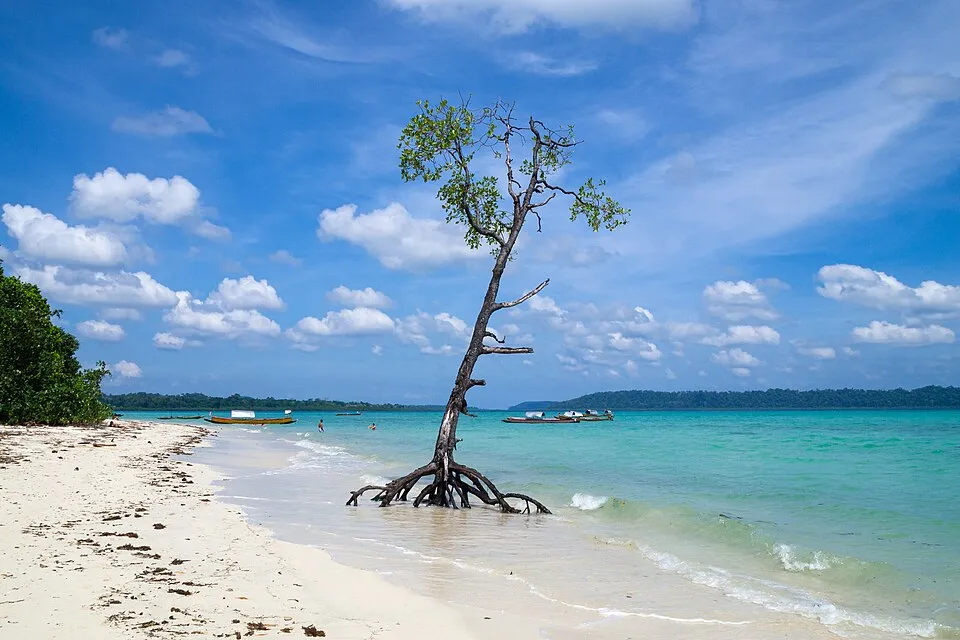
The mangrove ecosystems surrounding Mompiche are extraordinary in scale and beauty. Ancient, towering red mangroves line the estuaries leading to Isla Portete and the inland lagoons. These protected forests serve as nurseries for hundreds of marine species, including shrimp, blue crabs, and juvenile fish that sustain the local fishing economy. Local fishermen navigate the channels in hand-carved wooden canoes, as their families have for generations. You can arrange guided canoe tours through the mangroves that take you deep into channels where the canopy closes above you and the only sounds are the calls of unseen birds.
Wildlife You Can Expect to See
Wildlife encounters in and around Mompiche require very little effort. Common sightings include:
- Howler Monkeys — Their deep, resonant calls echo across the jungle every morning at dawn, often from trees directly at the edge of town.
- Toucans & Parrots — The coastal rainforest around Mompiche supports dozens of exotic bird species easily visible along the jungle road and beach margins.
- Olive Ridley Sea Turtles — Between October and March, sea turtles nest on the area's beaches and hatchlings emerge in large numbers under cover of darkness.
- Bottlenose Dolphins — Pods of dolphins are regularly spotted just offshore, often surfing the bow waves of fishing boats or playing in the surf near the point.
- Frigatebirds & Brown Pelicans — These iconic seabirds patrol the beach line constantly, diving dramatically for fish near the shore every morning.
- Iguanas & Basilisks — Large green iguanas are common in the beachside trees, and Jesus lizards (basilisks) are frequently spotted running across the estuary surface near the mangroves.
Jungle Treks & Waterfalls
For adventurous travelers, the jungle-covered hills directly behind Mompiche conceal several rewarding trails leading to hidden waterfalls and dramatic panoramic viewpoints across the entire bay. Trails are unmarked and can become very slippery after rain, so hiring a local guide is strongly recommended. The payoff — a private pool at the base of a jungle waterfall, completely to yourself — is absolutely worth the effort.
Things to Do in Mompiche
- Surf the legendary point break — The main event for most visitors. Book a board through your accommodation and go.
- Day trip to Isla Portete — The most beautiful nearby escape for a full day of total peace and coconut drinks.
- Mangrove canoe tour — A deeply tranquil way to explore the protected estuary ecosystem with a local guide.
- Yoga on the jungle deck — The Mudhouse Hostel runs regular yoga sessions on an open-air wooden deck cantilevered over the lush garden.
- Eat Encocado — The signature Afro-Ecuadorian dish of the Esmeraldas coast: fresh fish or shrimp slow-cooked in a rich, spiced coconut sauce. Find it at any local comedor for under $6 USD.
- Trek to Playa Negra — Walk around the headland at low tide to the otherworldly black-sand beach.
- Watch the sunset from the bar — The Goodvibes Lounge & Bar at The Mudhouse is the best spot in town to end a day.
- Go fishing with locals — Ask at the dock and you can often join a local fisherman on an early morning offshore trip for a small fee.
- Sea turtle watching — Between October and March, arrange an evening guided walk on nesting beaches to witness olive ridley sea turtles emerging from the sea.
Where to Stay in Mompiche
Given Mompiche's deliberately small footprint, there are a limited number of quality accommodation options. For both budget backpackers and eco-conscious couples, the standout recommendation on the entire northern coast is The Mudhouse Eco Hostel.
Built from locally sourced bamboo and set directly beside the protected mangroves, The Mudhouse offers both private bamboo cabañas (from $20/night) and shared dormitories (from $8/night). The property features the best fiber-optic Wi-Fi in town, a social lounge and bar, a dedicated jungle yoga deck, daily surfboard rentals, and a genuine community atmosphere that makes it the natural meeting point for travelers from around the world. It consistently earns a 4.9/5 rating on Google Reviews.
How to Get to Mompiche, Ecuador
Getting to Mompiche requires a little effort — and that effort is exactly what keeps it beautifully unspoiled. Here are the main routes depending on where you are coming from:
From Quito
The most common route is a direct overnight bus from Quito's main terminal (Terminal Carcelén) to Esmeraldas city, which takes approximately 6–7 hours. From Esmeraldas, take a local shared taxi or ranchero bus toward Muisne (approximately 3 hours), passing through the towns of Súa and Tonchigüe. From the Mompiche junction, a short taxi completes the journey in about 15 minutes. Several private shuttle companies also run direct weekend connections from Quito to the northern coast.
From Guayaquil or Montañita
Head north through Manta and continue up the Pacific coast on the spectacular coastal highway. Buses from Manta to Esmeraldas take approximately 5–6 hours. This coastal route is stunning, hugging the cliff edge above the Pacific for long stretches and passing through the artisan towns of Canoa and Pedernales.
From Esmeraldas City
Esmeraldas serves as the main regional hub and has a small airport with daily flights from Quito. From the airport or bus terminal, a private taxi or shared minivan to Mompiche takes around 2.5 to 3 hours via the coast road. Negotiate a shared taxi with other travelers at the terminal to split the cost.
Best Time to Visit Mompiche
Mompiche is a year-round destination, but the experience changes meaningfully with the seasons:
Dry Season: June to November (Best for Surf)
The dry season on the northern Ecuadorian coast runs from June through November, bringing the most consistent and powerful surf conditions of the year. South and southwest groundswells fire up the point break regularly, and the evenings become noticeably cooler and drier, making jungle treks and outdoor activities supremely comfortable. This is peak season for surfers and the best overall time to visit for most travelers.
Rainy Season: December to May (Best Value)
The wet season brings heavy but typically short afternoon rains. February and March see the most intense rainfall, but this is also when the jungle is at its most spectacularly lush and the waterfalls are at full flow. Wildlife activity is considerably higher during the wet season. Accommodation prices drop significantly, and you will have beaches almost entirely to yourself. Sea turtle nesting season also runs from October to March, offering a unique wildlife experience.
Make The Mudhouse Your Basecamp in Mompiche
Ready to experience the magic of Mompiche? The Mudhouse Eco Hostel is the most highly-rated accommodation in town — beautifully designed bamboo cabañas and social dorms set directly beside the protected mangroves, just 3 minutes from the world-class surf. Rated 4.9/5 on Google. Book directly for the best rates and free cancellation.
Book Your Mompiche Adventure